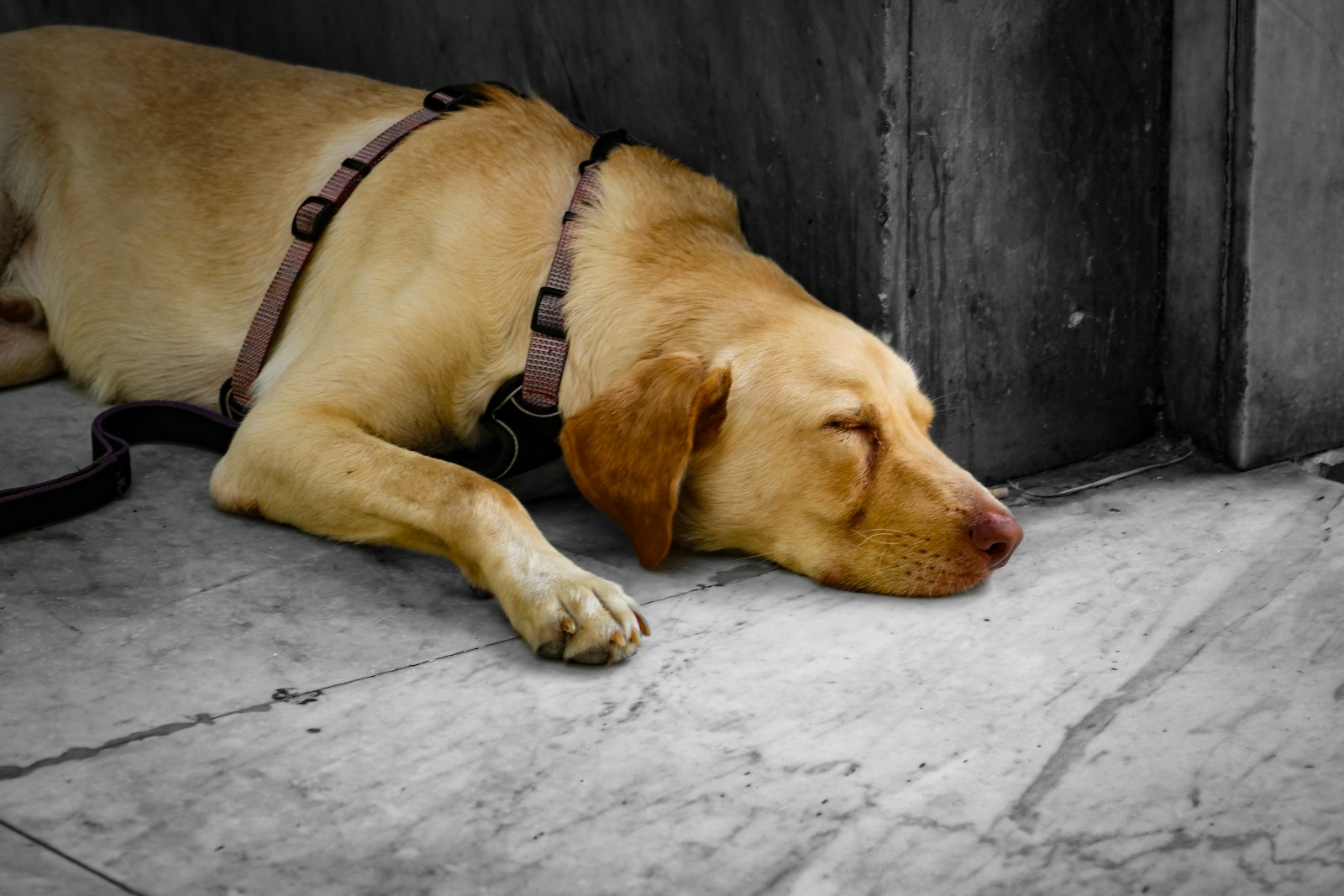
Many dog owners expect arthritis to be obvious. They picture a dog that can barely stand, refuses to walk, or cries out in pain. In real life, joint disease usually starts much more quietly.
A dog may hesitate before jumping into the car, get up more slowly after a nap, or still want a walk but lag on the way home. Those changes are easy to brush off. In a busy household, it is common to assume a dog is just getting older, having an off day, or slowing down a little.
That is one reason arthritis and joint disease often go unnoticed early on. The signs may be subtle, but they still matter. In Santa Clara, where many dogs spend time on neighborhood walks, park outings, and regular daily activity, small mobility changes can affect comfort long before they look serious. A vet clinic can help sort out whether the issue is early osteoarthritis, a strain, an injury, or another source of pain that needs attention.
Why early stiffness and hesitation matter
Arthritis is not limited to very old dogs. It can affect seniors, middle-aged dogs, athletic dogs, large breeds, and dogs with previous injuries or underlying joint problems. In many cases, the condition develops gradually as the cartilage and other joint structures change over time.
Dogs are also good at adapting. Instead of clearly showing pain, they often change how they move. They may shift weight, avoid certain motions, or cut back activity just enough to cope. To an owner, it can look like the routine is mostly the same.
But hesitation usually means something. If a dog pauses before using stairs, resists jumping onto the couch, slips more often on hard floors, or seems stiff after resting, those can be early signs of joint discomfort. Even if the dog still seems cheerful and eager to eat, the body may already be compensating for pain.
The earlier mobility changes are identified, the easier it often is to build a plan that supports comfort and function.
What arthritis can look like at home
Many owners watch for a limp and nothing else. A limp can happen, but plenty of dogs with arthritis show other patterns first.
You might notice your dog:
- getting up slowly after lying down
- seeming stiff in the morning or after naps
- hesitating before stairs, jumping, or getting into the car
- playing for shorter periods than usual
- falling behind on walks
- shifting weight oddly while standing
- sitting or lying down more often during outings
- slipping more on smooth floors
- becoming less comfortable with touch around the hips, shoulders, or back
- seeming grumpy, restless, or less interested in normal activity
Some dogs simply stop doing things their owners did not realize were important clues. Maybe they stop following the family upstairs. Maybe they no longer hop onto the bed at night. Maybe they still want to go out, but recover much more slowly afterward.
That can be easy to miss in Santa Clara, where a dog may still enjoy neighborhood walks, time around Central Park, or a visit to the dog park, then seem sore or stiff later in the evening. Owners often focus on the fact that the dog wanted to go out, not how the dog felt afterward.
What owners commonly miss
Most people do not miss early arthritis because they are careless. They miss it because the changes are gradual and easy to normalize.
It is common to assume that:
- slowing down is just normal aging
- reluctance to jump is a behavior issue
- stiffness after rest will pass on its own
- reduced activity means a dog is just calmer than before
- soreness after a long outing is not a big deal if it fades by the next day
But when those patterns repeat, they are worth paying attention to.
Another reason arthritis gets overlooked is that dogs do not always act painful in exciting situations. A dog with joint pain may still push through a walk, greet visitors enthusiastically, or get a burst of energy at the park. The stiffness often shows up later, when the excitement wears off.
Owners may also miss quieter body language changes. A dog that pulls away when touched near the hips, struggles to settle comfortably, or seems unusually tired after normal activity may be showing pain in a low-key way.
How a Santa Clara vet clinic evaluates mobility problems
A vet clinic does more than confirm that a dog seems stiff. The goal is to figure out what is causing the change in movement.
That usually starts with history. A veterinarian may ask when the problem began, whether it seems worse after exercise or rest, whether one leg looks more affected, and whether there have been changes in jumping, stair use, posture, activity level, or behavior. Small details from home can be very helpful in mobility cases.
From there, the exam often includes watching how the dog stands, walks, sits, and rises. The veterinarian may feel the muscles and joints, check range of motion, look for thickening or tenderness, and note whether one area seems to be carrying extra strain.
Sometimes arthritis is strongly suspected based on the exam and history alone. In other cases, X-rays or other diagnostics may help confirm joint changes or rule out other orthopedic problems. That matters because not every mobility issue is arthritis. Ligament injuries, spinal pain, soft tissue strain, paw injuries, and other conditions can also change how a dog moves.
A good evaluation helps answer the questions owners actually have: Is this pain? Which joints seem affected? How advanced is it? What can we do now to help?
Why early care can make a real difference
Early care is not about overreacting to every slow step. It is about not waiting until pain has taken over a dog’s routine.
When arthritis or joint disease is addressed earlier, a vet clinic can often build a more complete plan for long-term comfort. That may include weight management, exercise changes, joint-support strategies, pain relief, rehabilitation guidance, home adjustments, and follow-up over time. The right plan depends on the dog’s age, health, activity level, and which joints are involved.
Even small changes can help. For some dogs, reducing excess weight lowers joint stress in a meaningful way. For others, changing the type of exercise matters more than changing the amount. A dog may do better with steady, moderate walks than with occasional long bursts of activity.
Home setup matters too. Better traction on slippery floors, easier access to favorite resting spots, and ramps for cars or furniture can help a dog that is starting to lose confidence in certain movements.
The goal is to support mobility before function drops off more sharply. Earlier care can help many dogs stay active and comfortable longer.
When to schedule a vet visit
It is a good idea to schedule a visit if your dog has repeated stiffness, visible hesitation, changes in jumping or stair use, reduced activity, or a pattern of seeming sore after normal exercise.
You should move more quickly if your dog:
- suddenly cannot bear weight well
- cries out with movement
- has obvious joint swelling
- seems much less active than normal
- struggles to rise or lie down
- shows a major change in attitude along with mobility problems
Sudden or severe symptoms may point to something more urgent than gradual arthritis and should not be brushed off.
Small changes are worth noticing
For many Santa Clara dog owners, arthritis does not start as a crisis. It starts as a pause before the stairs, a slower rise from the floor, or a dog that quietly opts out of things that used to be easy.
Those details are worth noticing. Stiffness and hesitation are not always just part of aging. They can be early signs that a dog’s joints are becoming painful, and they deserve a closer look.
A vet clinic can help determine whether your dog is dealing with arthritis, another orthopedic problem, or a more temporary source of discomfort. Just as important, an early evaluation gives you a chance to step in while your dog is still functioning fairly well.
When joint pain is recognized sooner, many dogs have a better chance of staying comfortable, moving with more confidence, and continuing to enjoy the routines that make them feel like themselves.