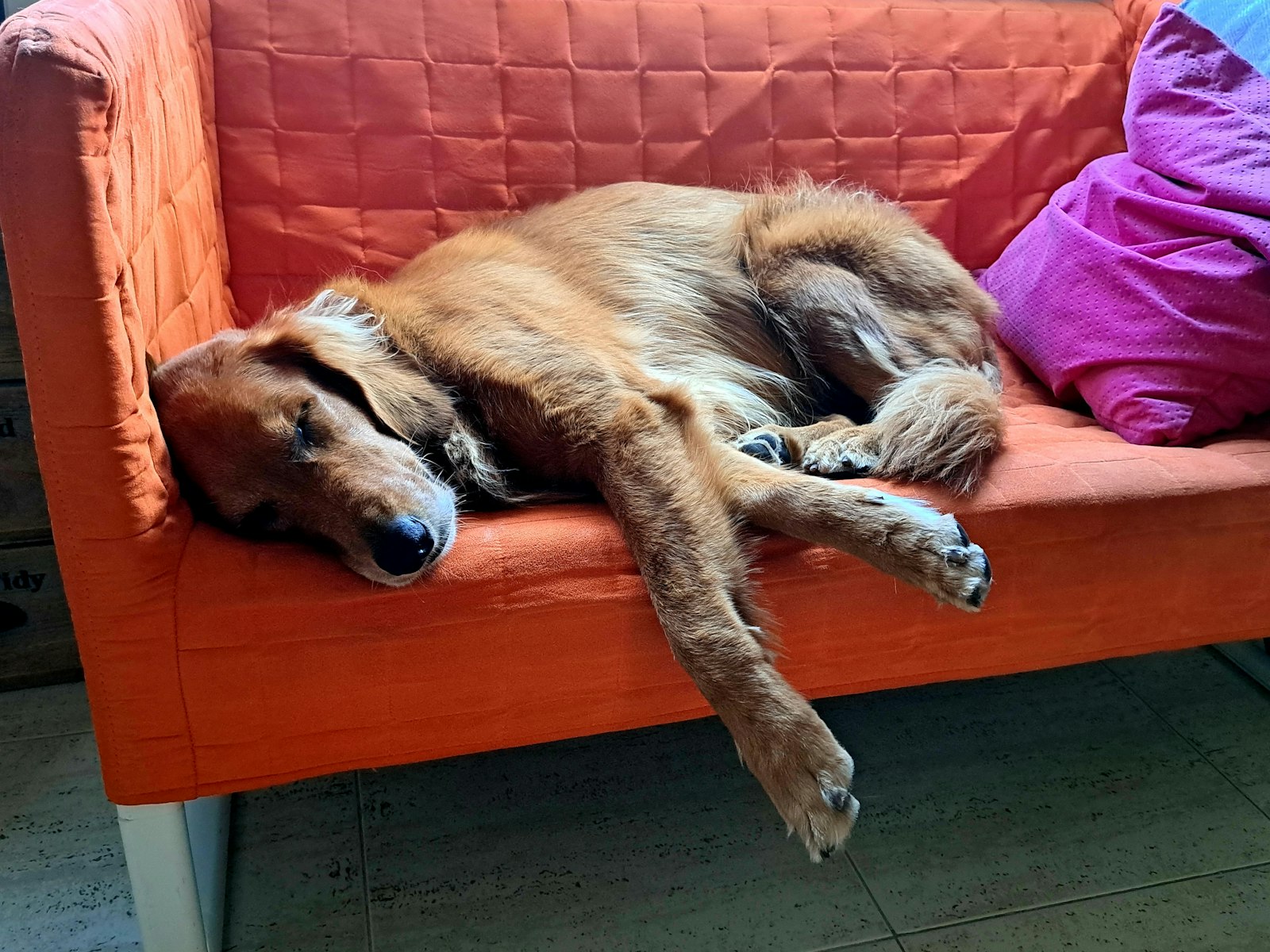
Many dog owners do not realize their dog is overweight until it starts changing everyday life. Often, the first signs are easy to brush off. A dog may tire sooner on walks, pant more than usual, seem less eager to play, or hesitate before jumping into the car or climbing stairs.
That slow, subtle change is part of why canine obesity gets missed so often. Weight gain usually happens gradually, and many dogs stay bright and social even while the extra pounds are putting more strain on their bodies. In Santa Clara, where dogs may still enjoy neighborhood walks, time at the park, and regular outings with their families, it is easy to assume that a dog who still wants activity must be doing fine.
But wanting to be active and handling activity comfortably are not the same thing. A vet clinic can help you figure out whether your dog is at a healthy weight, how much that weight may be affecting comfort and mobility, and what kind of plan makes sense if change is needed.
Why extra weight is a real health issue
Many people think of dog obesity as mostly an appearance problem. It is not. Extra weight puts added stress on joints, increases the workload on the heart and lungs, and can make reduced stamina, heat sensitivity, and inflammation more noticeable. It can also make recovery from surgery, injury, or illness harder.
Mobility is often where owners notice the difference first. An overweight dog may be slower getting up, less willing to jump, or more cautious on stairs. Even without an obvious limp, the body may already be working harder than it should.
Weight can also affect quality of life in quieter ways. Some dogs sleep more, play less, or seem less interested in routines they used to enjoy. Owners sometimes assume that means their dog is simply getting older, when the bigger issue may be discomfort during movement.
Signs owners often miss at home
One reason obesity gets overlooked is that families adjust to a dog’s appearance over time. If the weight comes on little by little, it starts to look normal. A dog who seems sturdy or a little fluffy may actually be carrying enough extra fat to affect long-term health.
Appetite can also be misleading. A dog who is excited for meals and treats may seem perfectly happy, but that does not mean the weight is healthy. Many overweight dogs are very food motivated, which can make the problem grow if portions and treats are not being measured honestly.
Some of the more subtle warning signs include:
- tiring early on walks
- heavier panting after mild exercise
- reluctance to jump, climb stairs, or keep playing
- difficulty getting up from the floor
- loss of a visible waist
- ribs that are harder to feel
- slower recovery after activity
- more discomfort in warm weather
- less interest in active games
Weight gain and reduced activity can also feed each other. A dog gains weight, moves less because movement feels harder, loses conditioning, and then gains more weight. That cycle can build so gradually that owners do not notice how different daily life has become until the change feels obvious.
How a vet clinic checks whether a dog is overweight
A vet clinic does more than look at the number on the scale. Body condition matters just as much as body weight. Two dogs can weigh the same amount and still have very different levels of fat, muscle, and overall fitness.
Veterinarians often use body condition scoring to judge whether a dog is underweight, ideal, overweight, or obese. They look at whether the ribs can be felt without too much fat covering them, whether the dog has a visible waist from above, and whether the abdomen tucks up from the side. Muscle condition matters too, because a dog can be overweight while still lacking strength.
That kind of assessment helps because many owners are not sure what a healthy shape should look like for their dog’s breed, size, age, and body type. A naturally stocky dog can still be in good condition, but stocky should not be confused with carrying excess fat.
Your Santa Clara vet clinic may also ask practical questions such as:
- What food is your dog eating, and how much?
- Are meals measured or estimated?
- How many treats, chews, or table scraps happen in a typical day?
- Has your dog’s activity level changed?
- Is your dog slowing down because of weight, pain, or both?
- Could a medical issue be affecting appetite or metabolism?
Those questions matter because obesity is not always just a matter of overfeeding. Age, activity level, routine, family habits, neuter status, and medical conditions can all play a part.
Why extra weight affects mobility so quickly
Even before a dog is diagnosed with joint disease, extra weight can make movement harder. Every step, stair, jump, and turn puts more load on the hips, knees, elbows, and spine. Over time, that added strain can make movement less fluid and less comfortable.
If a dog already has mild arthritis, an old injury, or early joint wear, the effect may show up even sooner. That is one reason obesity should not be treated as a minor side issue. It can make mobility problems worse, reduce exercise tolerance, and make it harder for dogs to stay active enough to maintain strength.
For Santa Clara owners who like to keep their dogs active year-round, this can be frustrating. A dog may still want the outing, but the body may not be handling it as well as before. The answer is not to push harder. It is to figure out what level of activity is safe and sustainable while weight comes down.
Why crash dieting usually backfires
Once owners realize weight is part of the problem, it is tempting to try to fix it fast. That usually does not go well. Sudden food cuts can leave dogs hungry, miserable, and nutritionally out of balance. Some families also swing between being very strict and giving extra treats out of guilt, which makes progress uneven.
Gradual, veterinarian-guided weight loss works better. A vet clinic can help set a realistic calorie target, recommend a food change if needed, and create a pace that reduces fat without sacrificing muscle. That is especially important for senior dogs, dogs with mobility issues, and dogs with other medical concerns.
The goal is not simply to lower the number on the scale. The goal is to improve body condition, energy, comfort, and long-term health in a way that can actually be maintained.
A practical plan may include measured meals, lower-calorie treats, fewer table scraps, regular weigh-ins, and exercise that matches the dog’s current ability. For some dogs, that means starting with shorter, steady walks instead of longer or more intense activity.
What healthy progress usually looks like
The best weight-loss plans are realistic. They take into account that dogs live with families, routines, and habits that do not change overnight. A helpful clinic will look at where calories are really coming from and where small adjustments are most likely to work.
Sometimes the problem is not the main meals. It is the steady stream of biscuits, training treats, dental chews, and shared bites of human food. Sometimes exercise needs to be scaled differently because the dog is already uncomfortable. In most cases, weight loss needs follow-up rather than a one-time conversation.
That follow-up matters. Dogs may need changes based on hunger, progress, mobility, and muscle condition. When a clinic tracks that process carefully, owners are less likely to get discouraged or start guessing.
When to schedule a vet visit about your dog’s weight
It is worth scheduling a visit if your dog has gained noticeable weight, seems less active, tires easily, pants more than expected, or is having a harder time with normal movement. It is also worth bringing up if you are simply not sure whether your dog is overweight.
Many owners benefit from an honest body condition assessment before the problem becomes more advanced. A dog does not have to be severely obese before the weight becomes medically important.
Why addressing weight early can make a big difference
For many dogs, better weight management improves much more than appearance. It can make walks easier, reduce strain on the body, improve stamina, and help dogs move with more comfort and confidence. Owners often notice that their dog seems brighter and more like itself again as the excess weight starts coming off.
That is the value of involving a vet clinic early. Instead of guessing whether your dog is just aging, out of shape, or carrying too much weight, you get a clearer picture of what is happening and what to do next.
When your dog’s weight starts affecting daily life, it is worth taking seriously. A thoughtful veterinary plan can help protect mobility, support overall health, and make everyday routines easier again.